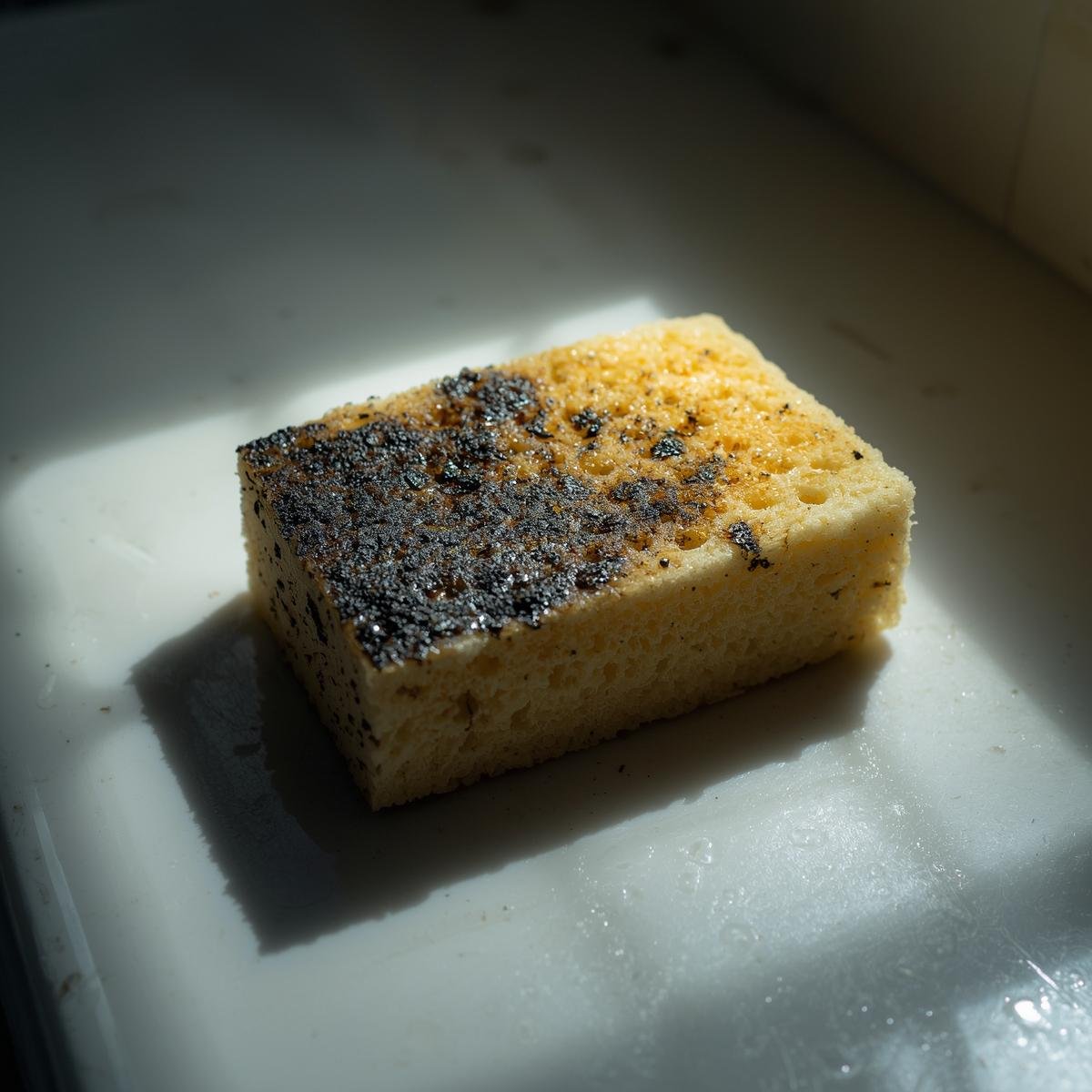
Most people believe the kitchen sponge is a cleaning tool. In reality, it may be one of the dirtiest items in the entire house.
A sponge sits in a warm, wet environment and is constantly exposed to food particles, grease, and bacteria. These conditions create the perfect breeding ground for microorganisms.
Scientific studies have shown that a single kitchen sponge can contain millions of bacteria per square inch, including bacteria commonly associated with food contamination.
But bacteria are only part of the problem.
The Hidden Chemical Problem
Most kitchen sponges are made from synthetic materials such as polyurethane foam. During manufacturing, these products are often produced with numerous chemical additives designed to improve durability, flexibility, color, and antimicrobial properties.
These chemicals may include:
- Plasticizers
- Flame retardants
- Adhesives
- Preservatives
- Dyes and pigments
Over time, repeated use in warm water, detergent, and friction can cause small particles of the sponge material to slowly break down.
This means that every time you scrub dishes, wipe countertops, or clean cutting boards, tiny residues from the sponge itself may remain behind on surfaces.
For households trying to maintain a cleaner and healthier home, this raises an important question:
Is the tool we use to clean actually leaving unwanted substances behind?
The Hygiene Issue
Kitchen sponges are extremely difficult to keep sanitary.
Even when rinsed thoroughly, food particles become trapped inside the sponge’s porous structure. Within hours, bacteria can begin multiplying rapidly.
Many people attempt to disinfect their sponges by:
- Microwaving them
- Boiling them
- Soaking them in disinfectant
However, these methods do not always eliminate all microorganisms, especially if the sponge has already been used for several days.
The result is simple:
Each time the sponge touches a surface, it may spread bacteria instead of removing it.
Better Alternatives to Kitchen Sponges
Many homeowners are now switching to simpler and more natural cleaning tools.
Here are a few safer alternatives:
Organic Cotton Towels
Organic cotton towels can be washed frequently in hot water, making them easier to sanitize and reuse. Unlike sponges, they do not trap bacteria as easily.
Natural Loofah Scrubbers
Made from dried plant fibers, loofahs provide effective scrubbing power without relying on synthetic materials.
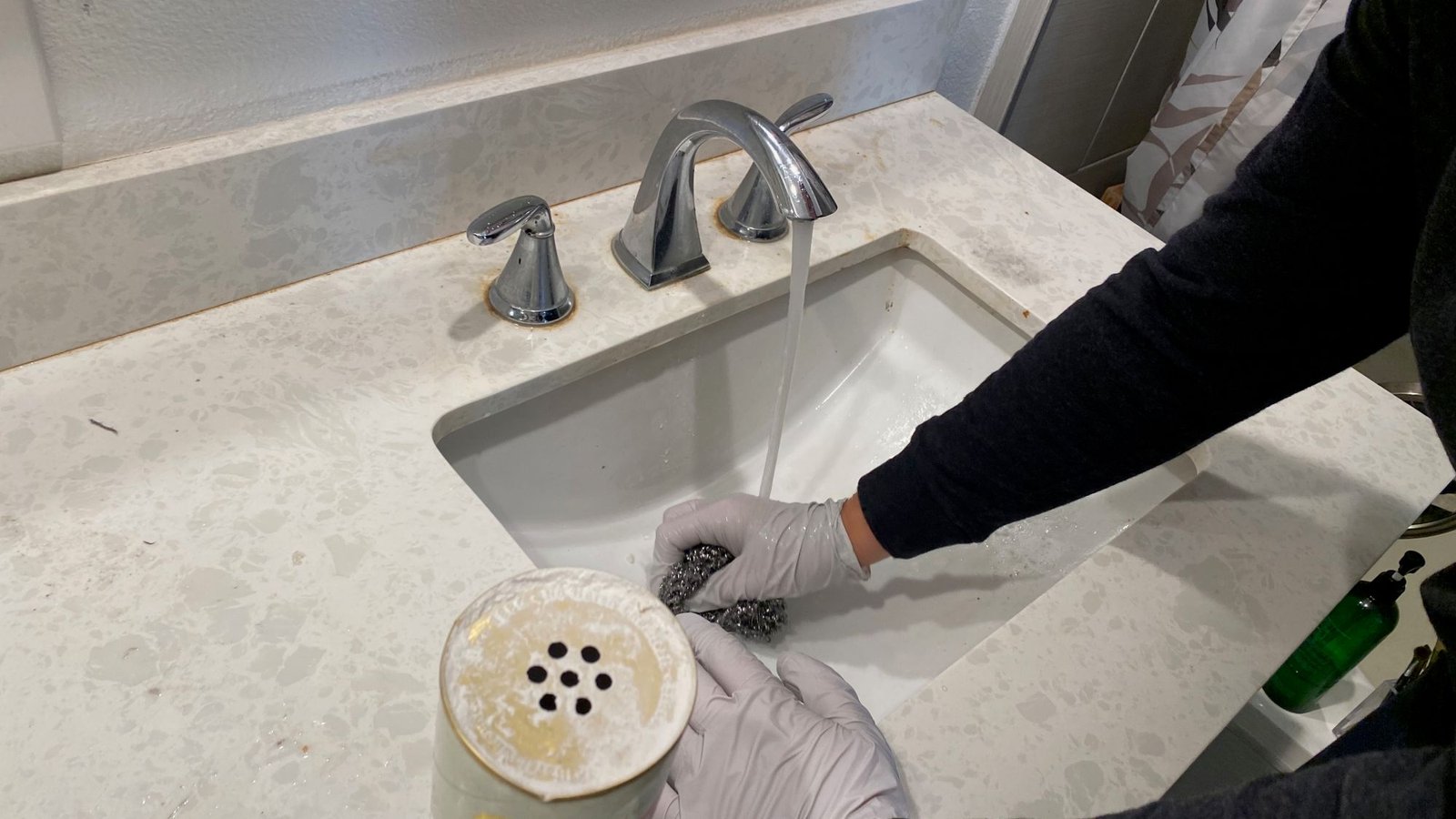
Stainless Steel Scrubbers
Stainless steel scrubbers are durable, easy to rinse, and resistant to moisture buildup, making them a more hygienic option for tougher cleaning tasks.
A Cleaner Kitchen Starts With Better Tools
Cleaning your kitchen should make your home healthier—not introduce new problems.
By choosing cleaning tools that are easier to wash, more durable, and made from natural materials, you can reduce bacterial buildup and limit exposure to unnecessary synthetic substances.
Sometimes the healthiest improvement in your home is simply replacing everyday tools we’ve used for decades without questioning them.